

Comparison
Lasso vs Grammarly
Grammarly is excellent for writing clarity and tone. Lasso handles the broader ecommerce challenge: enriching and operationalizing product data and content at scale.
Core use case
Lasso: Ecommerce data + listing production workflow
Grammarly: Writing clarity, tone and grammar support
Structured data enrichment
Lasso: Built around attributes, categories and schema rules
Grammarly: Not designed for structured product attribute operations
Bulk listing output
Lasso: Supports large-scale listing publication workflow
Grammarly: Used as a writing layer, not a listing operating system
| Feature comparison | Lasso | Grammarly |
|---|---|---|
| Core use case | Ecommerce data + listing production workflow | Writing clarity, tone and grammar support |
| Structured data enrichment | Built around attributes, categories and schema rules | Not designed for structured product attribute operations |
| Bulk listing output | Supports large-scale listing publication workflow | Used as a writing layer, not a listing operating system |
Why ecommerce teams choose Lasso
- Built for product attributes and catalog structure
- Bulk listing workflow across teams
- Combines data enrichment with content generation
Where Grammarly can be useful
- Outstanding grammar and tone support
- Fast quality improvements for copy editors
- Helpful writing assistant across many tools
AI built for your ecommerce workflow
From raw files to published product cards. One workflow for import, enrichment and publishing.
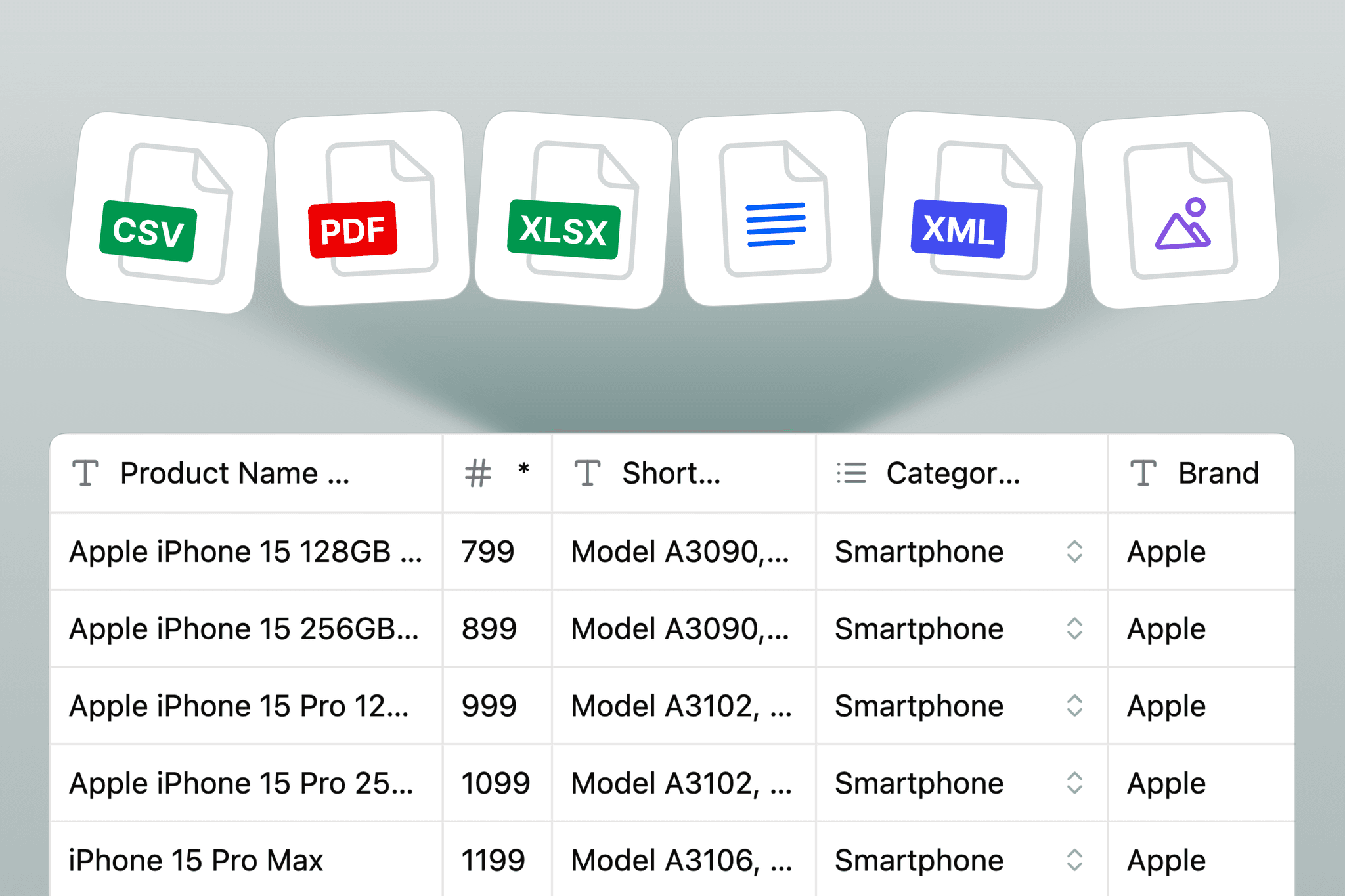
Data Import & Mapping
Import CSV, XLSX, XML or supplier exports and map fields to your product schema automatically.
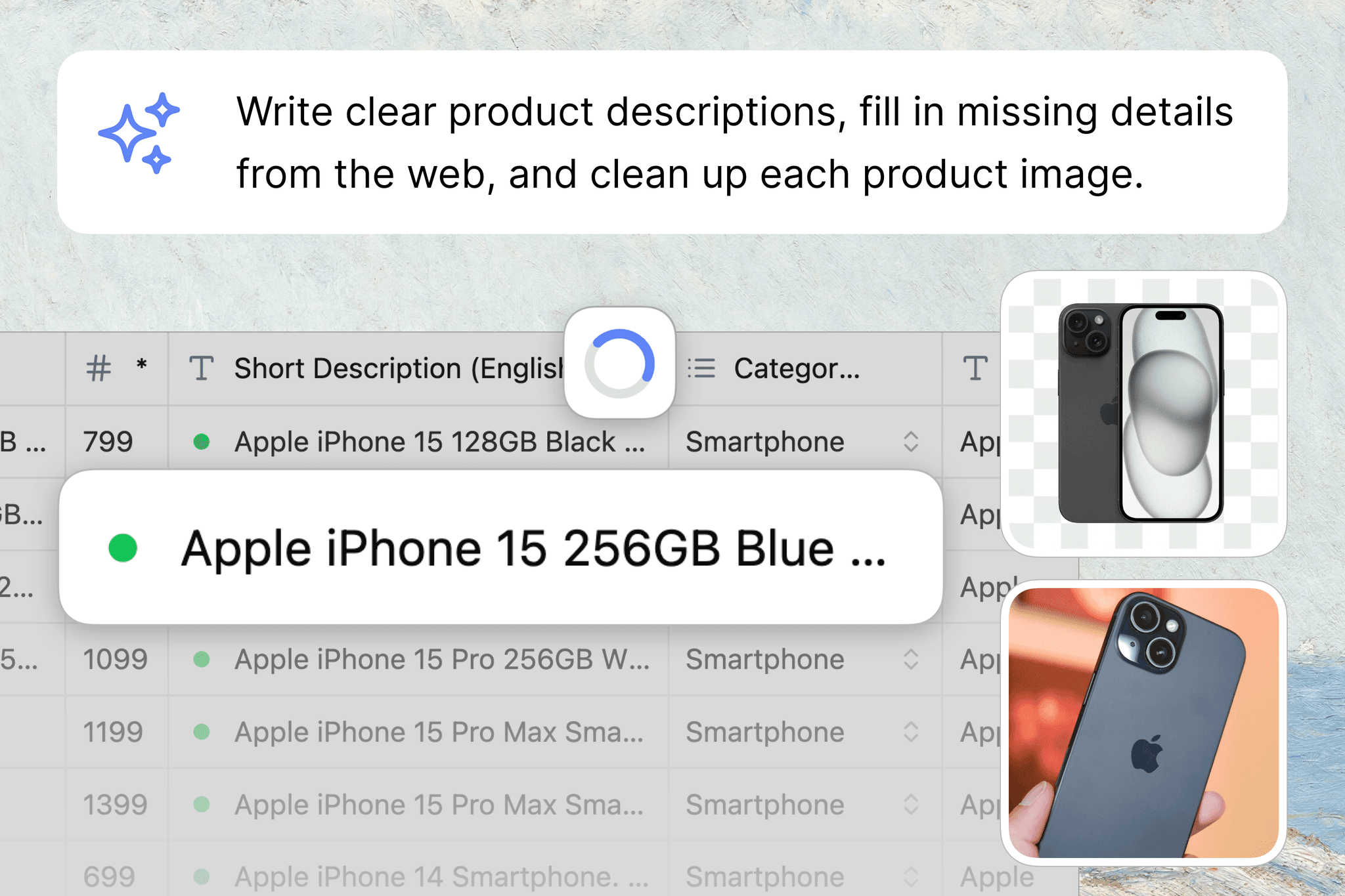
Search, Generate, Enrich Listings
Fill missing attributes, generate localized content, and standardize product data for every sales channel.
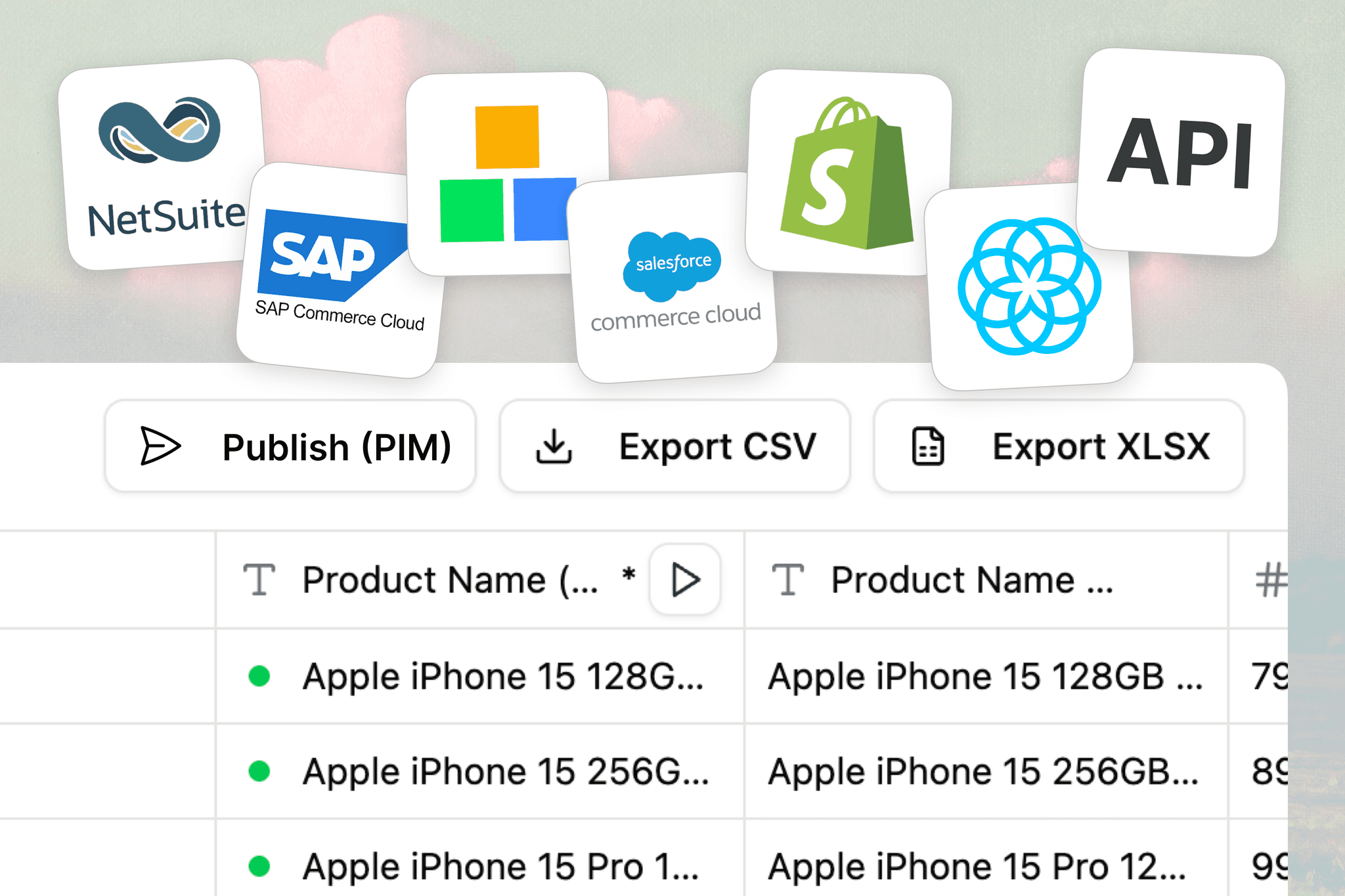
Review & Publish
Review changes with your team, approve in bulk, then publish or sync to PIM, ERP, and ecommerce platforms.
Want a direct comparison on your own product feed?
Book a demo if you need more than writing polish. End-to-end ecommerce listing operations.
Detailed analysis: Lasso vs Grammarly
Product snapshot
Grammarly excels at grammar, clarity, and tone consistency. Ecommerce listing success depends on additional layers: attributes, taxonomy, and channel-ready structured outputs.
Where this product excels
- Editing and polishing copy quality
- Tone consistency across teams
- Fast final-pass content cleanup
Where ecommerce teams hit limits
- Not a product-data enrichment platform
- No native SKU-level governance
- No listing workflow for catalog ops
Decision framework for your team
- Choose Grammarly for writing quality.
- Choose Lasso for end-to-end listing operations.
- Use Grammarly as an editor layer, not catalog system.
Deep operational comparison
Grammarly is one of the best tools for improving writing quality, consistency, and tone. For ecommerce teams, it can be useful in final editing stages.
However, listing performance depends on much more than grammar. Teams need complete attributes, normalized values, consistent category logic, and scalable publication workflows.
Lasso addresses those operational requirements while still enabling strong product copy creation. That makes it suitable when your objective is not only better wording, but better catalog outcomes.